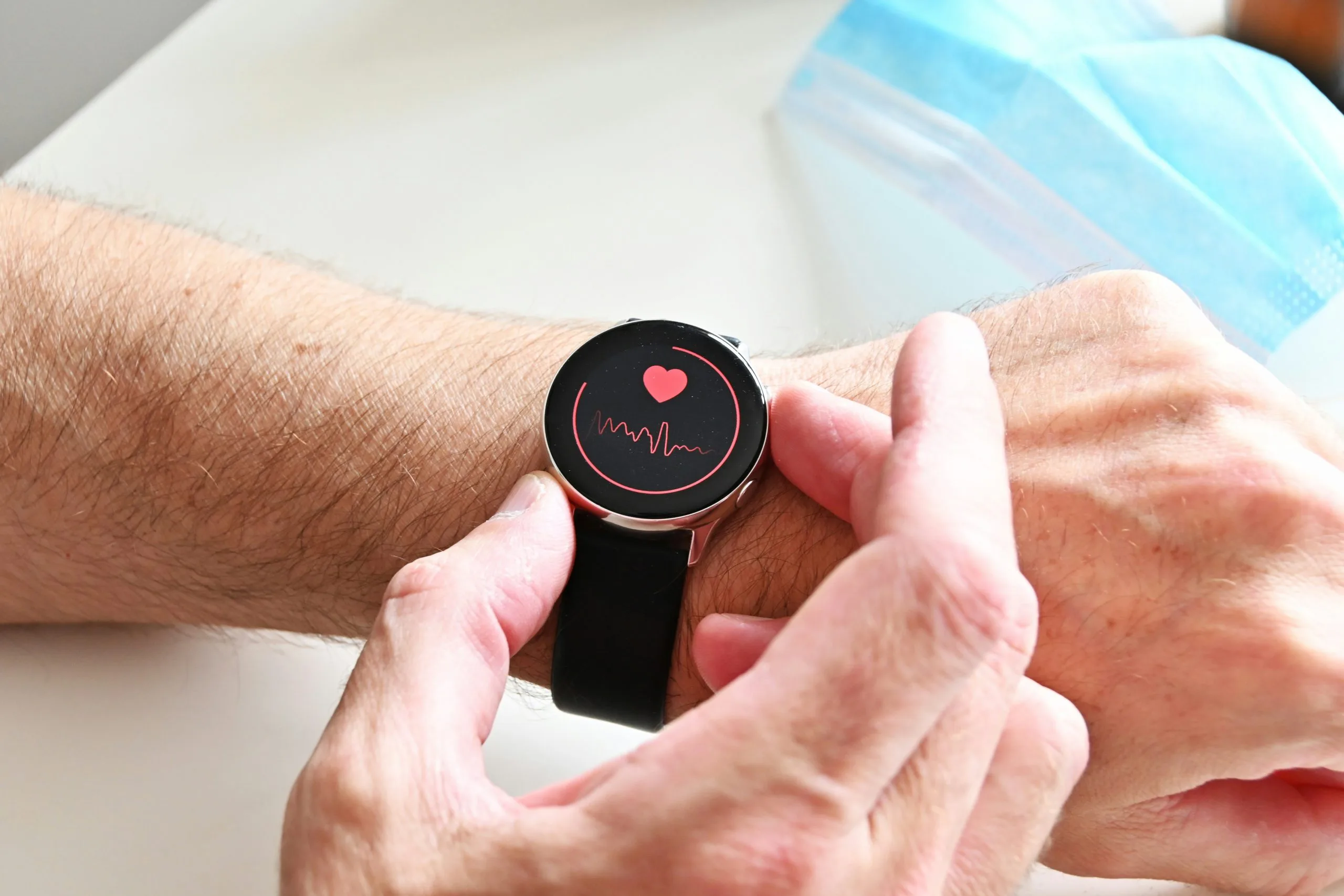
Understanding heart health
Heart disease, also known as cardiovascular disease, encompasses a range of conditions affecting the heart and blood vessels, including coronary artery disease, heart attack, stroke, heart failure and arrhythmia. These conditions develop when arteries become narrowed or blocked, often due to plaque buildup, reducing blood flow to vital organs.
Risk factors include high blood pressure and cholesterol, diabetes, obesity, smoking, physical inactivity, poor diet and family history.
Conventional prevention methods
Traditional approaches to preventing heart disease focus on several key strategies. The foundation of a heart-healthy diet includes limiting saturated fats, sodium and added sugars, while eating plenty of:
- Fruits
- Vegetables
- Whole grains
- Lean proteins
Regular physical activity—at least 150 minutes of moderate exercise weekly—helps strengthen the heart and manage weight. Avoiding tobacco products and limiting alcohol consumption are also critical, as is managing stress through relaxation techniques.
Regular health screenings to monitor blood pressure, cholesterol levels and blood sugar enable early detection and intervention. When necessary, medications such as statins, blood pressure medications, and aspirin may be prescribed to control risk factors.
So when it comes to heart health, we may think we have the pertinent facts, statistics and recommendations—and yes, there are established heart health maintenance and preventive methods to reduce heart disease and CVD risk. However, there’s still more to learn as research continues to inform us.
Three ways to reduce heart disease risk
1. Turn down the noise
Epidemiological studies have linked noise, particularly environmental noise, to high blood pressure, heart attack and stroke, as well as non-cardiovascular-related health conditions. Environmental noise includes noise from traffic, industry, amplified music and leisure activities.
According to a study presented at the American College of Cardiology’s 71st Annual Scientific Session, heart attack rates were 72 percent higher in areas with exposure to high levels of transportation noise, compared to quieter environments.
An average noise level of 50 decibels (dB) is recommended. For reference, a car horn’s noise reaches about 110 dB and a lawn mower or power tool hits about 90 dB.
You may not be able to control the noise in your neighborhood, but you can turn down the volume on music, TVs and cell phones, in addition to using noise-cancelling headphones or earbuds in your own house.
You can also walk to find and speak to housemates or children to talk, instead of yelling up the stairs. A bonus is you increase your physical activity with every step!
2. Get Goldilocks sleep just right—not too long, not too short
According to studies on sleep duration and CVD, the lowest risk is associated with individuals who sleep 7-8 hours per night and avoid extremes. Both shortened sleep (less than or equal to five hours per night) and long-duration sleep (greater than or equal to 10 hours per night) have an increased risk of having a major coronary event, such as a stroke.
It’s important to note associations between short and longer sleep durations and CVD were independent of factors such as age, gender, ethnicity, smoking/alcohol use, BMI and physical activity levels.
As with many lifestyle factors and choices, it’s best to avoid extremes. That goes for eating, exercising, alcohol and, yes, even sleep.
3. Open up your blood vessels
Take more warm baths, or consider sauna bathing, to open up your blood vessels. Warm temperatures from bathing in a tub or spending time in a sauna helps you relax, reduce feelings of stress and dilate blood vessels to lower blood pressure.
However, don’t overdo tub or sauna bathing, as 10-15 minutes is adequate. Keep temperatures warm, not hot.
Check with your doctor before starting. People with unstable chest pain, poorly controlled blood pressure or serious heart issues should avoid them. If warm baths or saunas aren’t for you, studies on laughter therapy have shown it may reduce systolic blood pressure and heart rate. As far as laughter goes, there are no limitations! Read or tell a joke, watch a funny video or chat with one of your humorous family members, friends or co-workers. It not only will make your face smile—it’ll make your heart smile as well.
This article has been reprinted with permission from LabCorp, a Circle Health partner.