Emergencies usually come unexpectedly and without time to plan or prepare.
That is why it is important to learn emergency preparedness. That way, you will know what to do in the case of tornadoes, hurricanes, or other emergency situations.
For starters, you can:
- Develop a Family Emergency Communication Plan. Create your personalized plan
- After you complete your personalized plan, don’t forget to practice it!
- Assemble an emergency supply kit. The list below contains the most recommended items:
- Tools and gear: flashlight, battery powered radio/weather radio with extra batteries, cell phone charger and/or battery, multi-purpose tool for turning off utilities
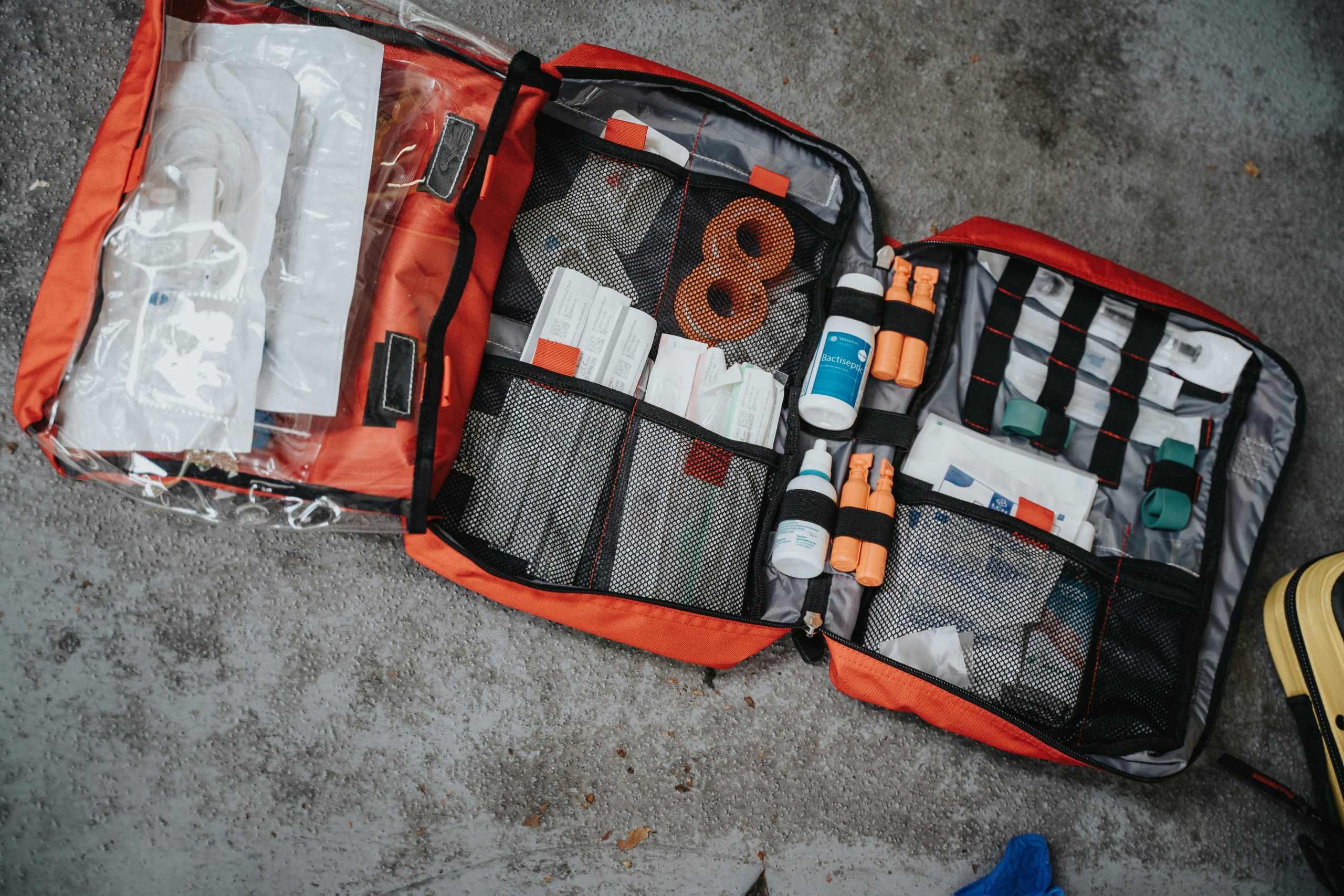
- Personal items: prescription medications, glasses, first aid kit, whistle to signal for help, dust masks, moist towelettes and garbage bags with ties for personal sanitation
- Water and food: water (one gallon per person per day for at least 3 days), food (at least a 3-day supply of non-perishable, ready-to-eat canned food), can opener for food
- Documents: copies of vital documents including IDs, insurance policies, medical records, bank account records in a waterproof container
- Cash: credit or debit cards may not be usable in a power outage
- Pet items: food, medications, and other necessary items
- Have the right insurance. Know what insurance coverage you need (such as flood insurance) and purchase accordingly. Don’t just assume your basic homeowner’s insurance will cover every natural disaster or unanticipated event.
- TIP: Take pictures or videos of the contents of your home for insurance claims. Store them at a friend or relative’s house or via an online backup.
- Keep emergency supplies in your car. Keep items such as a flashlight, first aid kit, jumper cables, basic tool kit, bottled water, and non-perishable nutritious snacks.
- Save your emergency contact in your cell phone as “ICE” (In Case of Emergency). Then, add this contact to your locked screen. If you are in an accident and unable to communicate with emergency personnel, they will likely check your phone for an ICE contact.
- Consider taking a class to become trained in CPR. You never know when you might be able to save the life of a family member, friend, or even a stranger. Find a Class
For more information on preparing for different kinds of disasters and emergencies, visit www.ready.gov. Be ready; it can be a matter of life or death!